Buy belgaweb.be ?
We are moving the project
belgaweb.be .
Are you interested in purchasing the domain
belgaweb.be ?
domain@kv-gmbh.de · 0541-91531010
Buy belgaweb.be ?
What are seamounts and mid-ocean ridges?
Seamounts are underwater mountains that rise from the ocean floor but do not reach the water's surface. They are often formed by volcanic activity and can be found in all of the world's oceans. Mid-ocean ridges, on the other hand, are underwater mountain ranges that form at the boundaries of tectonic plates. They are characterized by a series of parallel mountain chains and are the site of intense volcanic and seismic activity. Both seamounts and mid-ocean ridges play important roles in the geology and ecology of the ocean floor. **
What are mid-ocean ridges and how are they formed?
Mid-ocean ridges are underwater mountain ranges that form along the boundaries of tectonic plates. They are created by the process of seafloor spreading, where new oceanic crust is formed as magma rises from the mantle and solidifies at the mid-ocean ridges. As the new crust forms, it pushes the older crust away from the ridge, causing the seafloor to spread and the ocean basin to widen. This process is driven by the movement of the tectonic plates and the upwelling of magma from the Earth's mantle. **
Similar search terms for Mid-ocean
Top-Angebote
Products related to Mid-ocean:
-
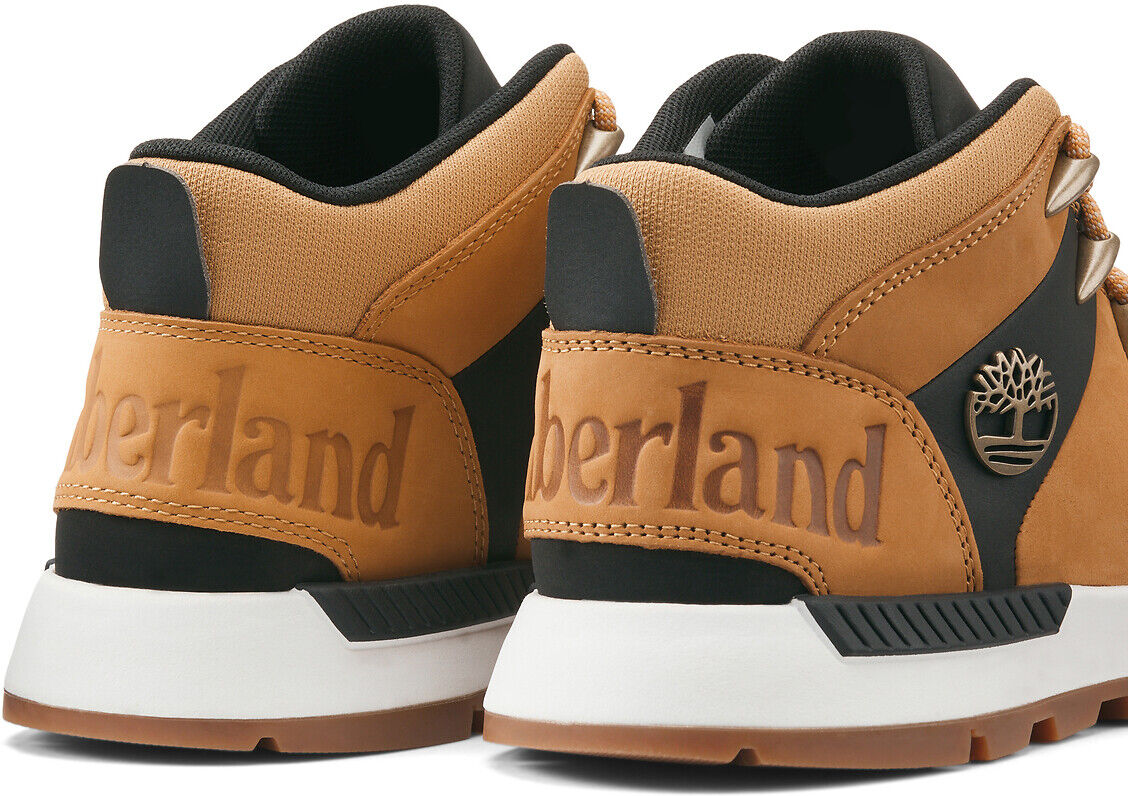
TIMBERLAND Baskets montantes en cuir SPRINT TREKKER MID LACEConçues pour le plein air, ces chaussures de randonnée pour enfant robustes présentent une semelle crantée adhérente en caoutchouc, un intérieur amortissant et une semelle de propreté « Does it Fit? » pour un ajustement toujours parfait.Elles sont confectionnées en cuir Premium Timberland® Leather et d'une doublure en toile ReBOTL™. Détails produit • Usage sportswear • Talon plat • Fermeture : A lacets Composition et Entretien • Dessus/Tige : 100% nubuck • Doublure : 100% cuir • Semelle intérieure : 100% cuir • Semelle extérieure : 100% caoutchouc145,00 €*Shipping: 3,99 €Secure redirect to the provider
-
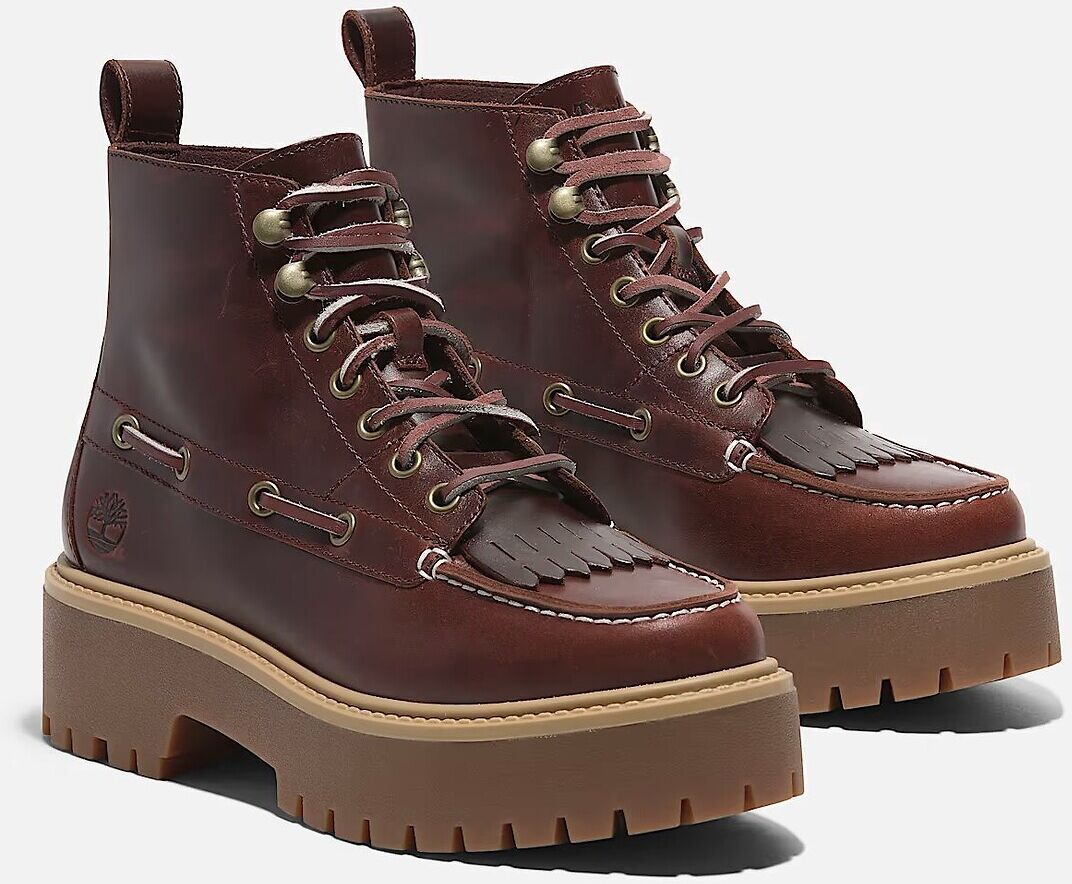
TIMBERLAND Bottines compensées à lacets, Stone Street Mid LaceDétails produit • Talon compensé • Fermeture : A lacets • Bout rond Composition et Entretien • Dessus/Tige : 100% cuir • Doublure : 100% textile • Semelle intérieure : 100% synthétique • Semelle extérieure : 100% caoutchouc180,00 €*Shipping: 3,99 €Secure redirect to the provider
-
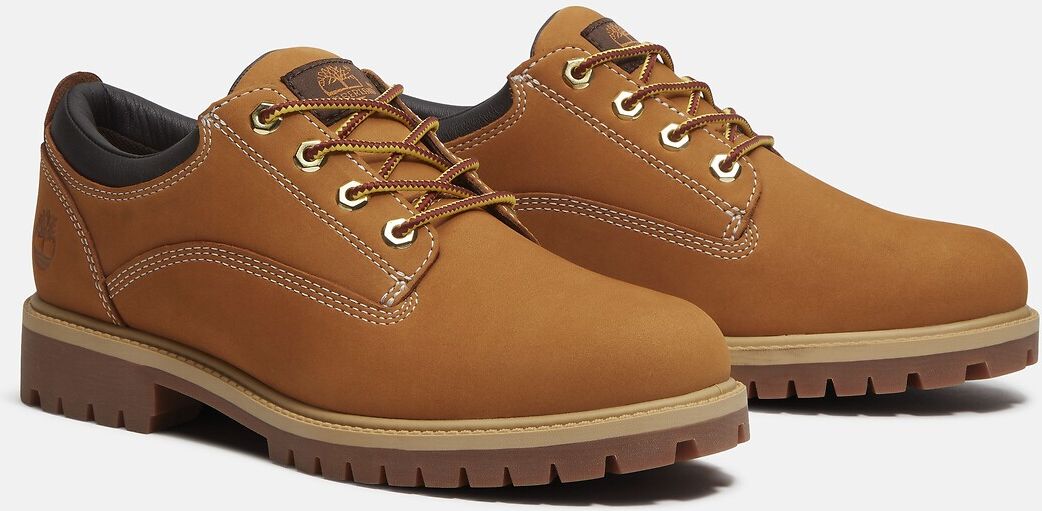
TIMBERLAND Bottines à lacets, en cuir, STORMBUCKS MID LACEDétails produit • Talon plat • Fermeture : A lacets et zippée • Bout rond Composition et Entretien • Dessus/Tige : 100% cuir • Doublure : 100% synthétique • Semelle intérieure : 100% synthétique • Semelle extérieure : 100% caoutchouc170,00 €*Shipping: 3,99 €Secure redirect to the provider
-
TIMBERLAND Baskets à lacets élastiqués, LISBON STREET MID LACEDétails produit • Baskets montantes • Usage sportswear • Talon plat • Fermeture : A lacets et à scratch Composition et Entretien • Dessus/Tige : 100% cuir • Doublure : 100% synthétique • Semelle intérieure : 100% synthétique • Semelle extérieure : 100% caoutchouc80,00 €*Shipping: 3,99 €Secure redirect to the provider


-
What is the difference between the volcanoes of the mid-ocean ridge and the subduction zone?
The volcanoes of the mid-ocean ridge are formed by the upwelling of magma from the mantle at divergent plate boundaries, where tectonic plates are moving away from each other. These volcanoes are typically characterized by gentle slopes and frequent eruptions of basaltic lava. In contrast, the volcanoes of the subduction zone are formed at convergent plate boundaries, where one tectonic plate is forced beneath another. These volcanoes are often explosive and can produce a variety of lava types, including andesitic and rhyolitic. Additionally, subduction zone volcanoes are often associated with volcanic arcs and can be located on land or underwater. **
-
What is the difference between the mid-ocean ridge and the driving forces of plate movement?
The mid-ocean ridge is a continuous underwater mountain range that runs through the center of the ocean basins, created by tectonic plates moving apart. On the other hand, the driving forces of plate movement are the mechanisms that cause the plates to move, such as mantle convection, slab pull, and ridge push. While the mid-ocean ridge is a physical feature on the Earth's surface resulting from plate movement, the driving forces are the underlying processes that cause the plates to interact and shift. **
-
How do you lace up the Nike Air Jordan 1 Mid?
To lace up the Nike Air Jordan 1 Mid, start by inserting the lace into the bottom set of eyelets, ensuring both ends are even. Then, crisscross the lace up the shoe, threading it through each set of eyelets until you reach the top. Finally, tie a knot or bow at the top to secure the laces in place. Adjust the tightness as needed for a comfortable fit. **
-
What is the difference between a deep-sea trench and a mid-ocean ridge? Are they the same thing?
Deep-sea trenches and mid-ocean ridges are both features of the ocean floor, but they are not the same thing. Deep-sea trenches are long, narrow depressions in the ocean floor that form at subduction zones, where one tectonic plate is being forced beneath another. In contrast, mid-ocean ridges are underwater mountain ranges formed by the upwelling of magma at divergent plate boundaries, where tectonic plates are moving apart. While both features are related to plate tectonics, they are formed by different geological processes and have different shapes and characteristics. **

Are these ocean planets?
No, these are not ocean planets. While they may have large amounts of water on their surfaces, they are not entirely covered in water like ocean planets such as Earth. These planets have a variety of surface features and may have different compositions and atmospheres that make them distinct from ocean planets. **
Why is the Atlantic Ocean rougher than the Indian and Pacific Ocean?
The Atlantic Ocean is generally rougher than the Indian and Pacific Oceans due to its location and weather patterns. The Atlantic Ocean is more exposed to strong winds and storms coming from the west, which can create larger waves and rougher conditions. Additionally, the Atlantic Ocean is narrower than the Indian and Pacific Oceans, which can amplify wave heights and make the water choppier. The combination of these factors contributes to the Atlantic Ocean being rougher compared to the other two oceans. **
Top-Angebote
Products related to Mid-ocean:
-
TIMBERLAND Baskets en cuir, EURO GRID MID LACEDétails produit • Usage sportswear • Talon plat • Fermeture : A lacets Composition et Entretien • Dessus/Tige : 100% cuir • Doublure : 100% synthétique • Semelle intérieure : 100% synthétique • Semelle extérieure : 100% caoutchouc130,00 €*Shipping: 3,99 €Secure redirect to the provider
-
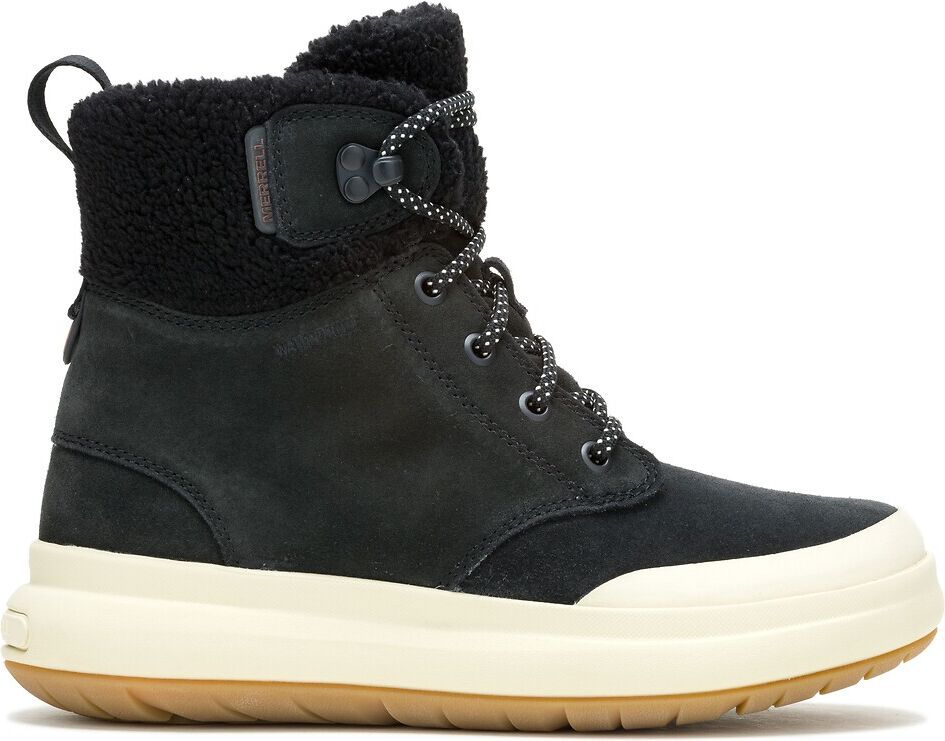
MERRELL Bottines d'hiver fourrées Sugarloaf Mid Lace Cozy WaterproofDétails produit • Talon plat • Fermeture : A lacets et à scratch • Bout rond Composition et Entretien • Dessus/Tige : 100% cuir suédé • Doublure : 100% textile • Semelle intérieure : 100% eva • Semelle extérieure : 100% caoutchouc150,00 €*Shipping: 3,99 €Secure redirect to the provider
-
TIMBERLAND Baskets montantes en cuir SPRINT TREKKER MID LACEConçues pour le plein air, ces chaussures de randonnée pour enfant robustes présentent une semelle crantée adhérente en caoutchouc, un intérieur amortissant et une semelle de propreté « Does it Fit? » pour un ajustement toujours parfait.Elles sont confectionnées en cuir Premium Timberland® Leather et d'une doublure en toile ReBOTL™. Détails produit • Usage sportswear • Talon plat • Fermeture : A lacets Composition et Entretien • Dessus/Tige : 100% nubuck • Doublure : 100% cuir • Semelle intérieure : 100% cuir • Semelle extérieure : 100% caoutchouc145,00 €*Shipping: 3,99 €Secure redirect to the provider
-
TIMBERLAND Bottines compensées à lacets, Stone Street Mid LaceDétails produit • Talon compensé • Fermeture : A lacets • Bout rond Composition et Entretien • Dessus/Tige : 100% cuir • Doublure : 100% textile • Semelle intérieure : 100% synthétique • Semelle extérieure : 100% caoutchouc180,00 €*Shipping: 3,99 €Secure redirect to the provider
-
What are seamounts and mid-ocean ridges?
Seamounts are underwater mountains that rise from the ocean floor but do not reach the water's surface. They are often formed by volcanic activity and can be found in all of the world's oceans. Mid-ocean ridges, on the other hand, are underwater mountain ranges that form at the boundaries of tectonic plates. They are characterized by a series of parallel mountain chains and are the site of intense volcanic and seismic activity. Both seamounts and mid-ocean ridges play important roles in the geology and ecology of the ocean floor. **
-
What are mid-ocean ridges and how are they formed?
Mid-ocean ridges are underwater mountain ranges that form along the boundaries of tectonic plates. They are created by the process of seafloor spreading, where new oceanic crust is formed as magma rises from the mantle and solidifies at the mid-ocean ridges. As the new crust forms, it pushes the older crust away from the ridge, causing the seafloor to spread and the ocean basin to widen. This process is driven by the movement of the tectonic plates and the upwelling of magma from the Earth's mantle. **
-
What is the difference between the volcanoes of the mid-ocean ridge and the subduction zone?
The volcanoes of the mid-ocean ridge are formed by the upwelling of magma from the mantle at divergent plate boundaries, where tectonic plates are moving away from each other. These volcanoes are typically characterized by gentle slopes and frequent eruptions of basaltic lava. In contrast, the volcanoes of the subduction zone are formed at convergent plate boundaries, where one tectonic plate is forced beneath another. These volcanoes are often explosive and can produce a variety of lava types, including andesitic and rhyolitic. Additionally, subduction zone volcanoes are often associated with volcanic arcs and can be located on land or underwater. **
-
What is the difference between the mid-ocean ridge and the driving forces of plate movement?
The mid-ocean ridge is a continuous underwater mountain range that runs through the center of the ocean basins, created by tectonic plates moving apart. On the other hand, the driving forces of plate movement are the mechanisms that cause the plates to move, such as mantle convection, slab pull, and ridge push. While the mid-ocean ridge is a physical feature on the Earth's surface resulting from plate movement, the driving forces are the underlying processes that cause the plates to interact and shift. **
Similar search terms for Mid-ocean
-
TIMBERLAND Bottines à lacets, en cuir, STORMBUCKS MID LACEDétails produit • Talon plat • Fermeture : A lacets et zippée • Bout rond Composition et Entretien • Dessus/Tige : 100% cuir • Doublure : 100% synthétique • Semelle intérieure : 100% synthétique • Semelle extérieure : 100% caoutchouc170,00 €*Shipping: 3,99 €Secure redirect to the provider
-
TIMBERLAND Baskets à lacets élastiqués, LISBON STREET MID LACEDétails produit • Baskets montantes • Usage sportswear • Talon plat • Fermeture : A lacets et à scratch Composition et Entretien • Dessus/Tige : 100% cuir • Doublure : 100% synthétique • Semelle intérieure : 100% synthétique • Semelle extérieure : 100% caoutchouc80,00 €*Shipping: 3,99 €Secure redirect to the provider
-
TIMBERLAND Bottines à lacets en cuir BRITTON ROAD MID LACENotre bottine imperméable Britton Road est conçue pour le confort. Elle est dotée d’une tige en cuir Premium Timberland® Leather et d’une doublure en tissu ReBOTL™.L’assise plantaire à mémoire de forme OrthoLite® Impressions et le TimberCush™ Comfort System assurent un bon amorti tout au long de la journée, tandis que la membrane imperméable TimberDry™ aide à garder vos pieds bien au sec. Détails produit • Talon plat • Fermeture : A lacets • Bout rond Composition et Entretien • Dessus/Tige : 100% nubuck • Doublure : 100% textile • Semelle intérieure : 100% eva • Semelle extérieure : 100% caoutchouc Fiche produit relative aux qualités et caractéristiques environnementales • Origine de fabrication (piquage, montage, finition) : Bangladesh Dernière mise à jour des informations : 02/04/2026200,00 €*Shipping: 3,99 €Secure redirect to the provider
-
MERRELL Bottines d'hiver fourrées Sugarloaf Mid Lace Cozy WaterproofDétails produit • Hauteur de chaussure : 10 cm en taille 37 • Talon plat • Fermeture : A lacets • Bout rond Composition et Entretien • Dessus/Tige : 100% cuir suédé • Doublure : 100% textile • Semelle intérieure : 100% eva • Semelle extérieure : 100% caoutchouc170,00 €*Shipping: 3,99 €Secure redirect to the provider
-
How do you lace up the Nike Air Jordan 1 Mid?
To lace up the Nike Air Jordan 1 Mid, start by inserting the lace into the bottom set of eyelets, ensuring both ends are even. Then, crisscross the lace up the shoe, threading it through each set of eyelets until you reach the top. Finally, tie a knot or bow at the top to secure the laces in place. Adjust the tightness as needed for a comfortable fit. **
-
What is the difference between a deep-sea trench and a mid-ocean ridge? Are they the same thing?
Deep-sea trenches and mid-ocean ridges are both features of the ocean floor, but they are not the same thing. Deep-sea trenches are long, narrow depressions in the ocean floor that form at subduction zones, where one tectonic plate is being forced beneath another. In contrast, mid-ocean ridges are underwater mountain ranges formed by the upwelling of magma at divergent plate boundaries, where tectonic plates are moving apart. While both features are related to plate tectonics, they are formed by different geological processes and have different shapes and characteristics. **
-
Are these ocean planets?
No, these are not ocean planets. While they may have large amounts of water on their surfaces, they are not entirely covered in water like ocean planets such as Earth. These planets have a variety of surface features and may have different compositions and atmospheres that make them distinct from ocean planets. **
-
Why is the Atlantic Ocean rougher than the Indian and Pacific Ocean?
The Atlantic Ocean is generally rougher than the Indian and Pacific Oceans due to its location and weather patterns. The Atlantic Ocean is more exposed to strong winds and storms coming from the west, which can create larger waves and rougher conditions. Additionally, the Atlantic Ocean is narrower than the Indian and Pacific Oceans, which can amplify wave heights and make the water choppier. The combination of these factors contributes to the Atlantic Ocean being rougher compared to the other two oceans. **
* All prices are inclusive of VAT and, if applicable, plus shipping costs. The offer information is based on the details provided by the respective shop and is updated through automated processes. Real-time updates do not occur, so deviations can occur in individual cases. ** Note: Parts of this content were created by AI.