Buy belgaweb.be ?
We are moving the project
belgaweb.be .
Are you interested in purchasing the domain
belgaweb.be ?
domain@kv-gmbh.de · 0541-91531010
Buy belgaweb.be ?
What is the difference between de, de la, du, des, and de?
The difference between de, de la, du, des, and de lies in their usage with different nouns. "De" is used before masculine singular nouns, "de la" before feminine singular nouns, "du" before masculine singular nouns starting with a vowel or silent "h," and "des" before plural nouns. "De" is also used before verbs and expressions of quantity. **
When do we use du, de la, de l', de and des in French?
In French, "du" is used before masculine singular nouns, "de la" is used before feminine singular nouns, "de l'" is used before singular nouns that begin with a vowel or silent "h", "de" is used before masculine or feminine singular nouns that are preceded by a specific quantity or expression of quantity, and "des" is used before plural nouns. These articles indicate the partitive or indefinite nature of the noun they precede, and they are used to express the idea of some, any, or a part of something. **

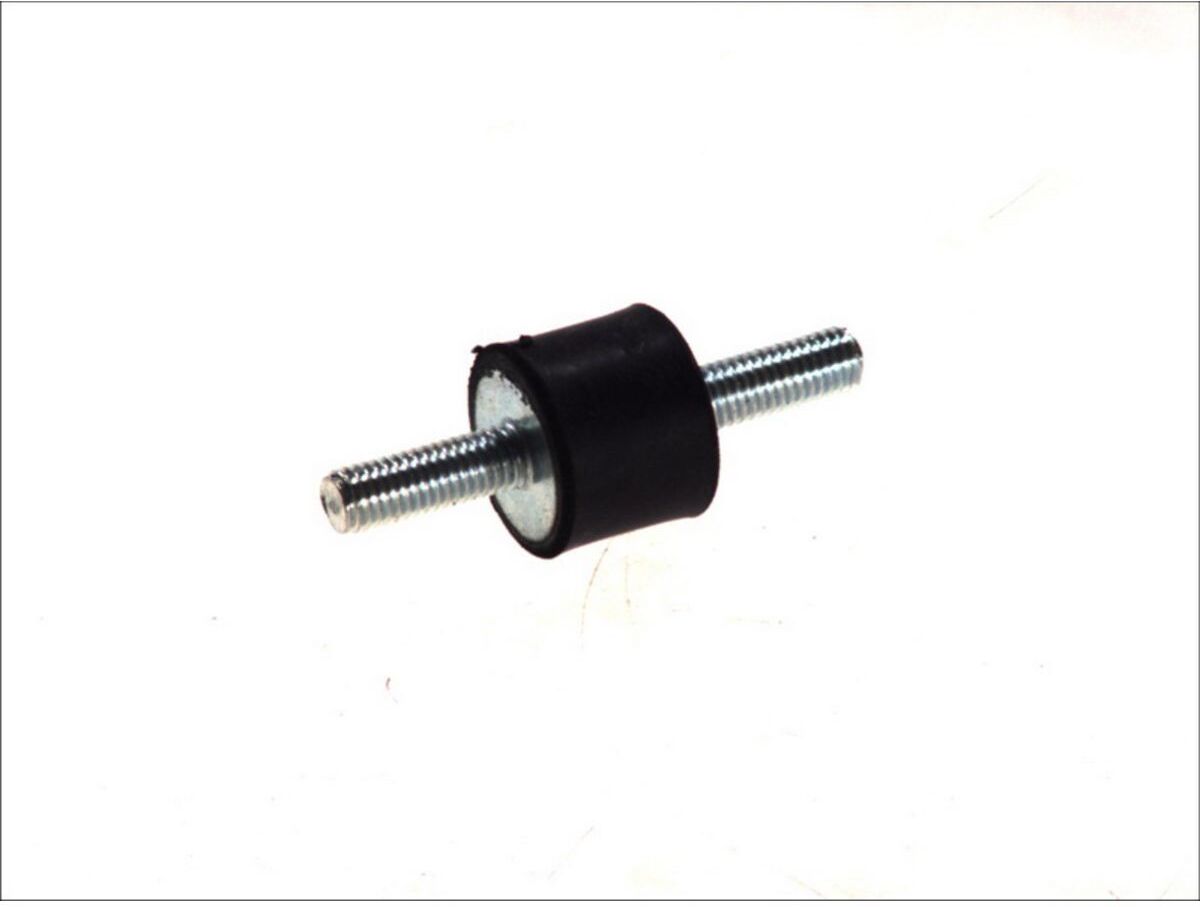
Similar search terms for Pièces-de-fixation-du
Top-Angebote
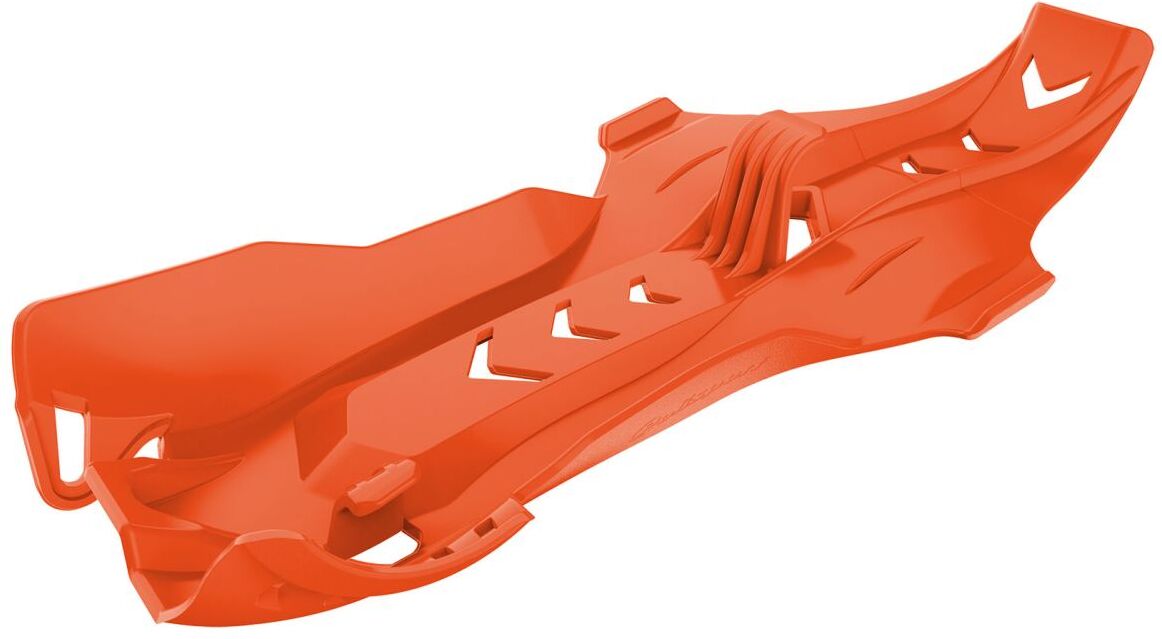
Products related to Pièces-de-fixation-du:



-
When do we use du, de la, de l', and des?
We use "du" when referring to masculine singular nouns, "de la" when referring to feminine singular nouns, "de l'" when referring to singular nouns starting with a vowel or silent 'h', and "des" when referring to plural nouns. These articles are partitive articles used to indicate an unspecified quantity or part of something. For example, "du pain" (some bread), "de la salade" (some salad), "de l'eau" (some water), and "des fruits" (some fruits). **
-
When do you use du, de la, de l' and des?
You use "du" when referring to masculine singular nouns, "de la" when referring to feminine singular nouns, "de l'" when referring to singular nouns that start with a vowel or silent "h", and "des" when referring to plural nouns. These are partitive articles used to indicate an unspecified quantity or some of something. For example, "du pain" (some bread), "de la confiture" (some jam), "de l'eau" (some water), and "des fruits" (some fruits). **
-
When do you use du, de la, or de l' in French?
In French, "du" is used before masculine singular nouns, "de la" is used before feminine singular nouns, and "de l'" is used before singular nouns that begin with a vowel or a silent "h." These forms of the preposition "de" indicate possession or quantity. For example, "du pain" (some bread), "de la confiture" (some jam), and "de l'eau" (some water). **
-
What is the difference between the French partitive articles de, du, and de la?
The French partitive articles de, du, and de la are used to indicate an unspecified quantity of something. "De" is used before a masculine singular noun, "du" is used before a masculine singular noun that starts with a consonant, and "de la" is used before a feminine singular noun. For example, "de la" would be used to say "some water" (de l'eau) while "du" would be used to say "some bread" (du pain). **


Is fixation necessary?
Fixation is not always necessary, as it depends on the context. In some cases, fixation can be helpful for maintaining focus and achieving a specific goal. However, fixation can also lead to narrow-mindedness and prevent individuals from considering alternative perspectives or solutions. It is important to strike a balance and be open to new ideas while also staying focused on the task at hand. **
Does it say de la, du, or des Champs-Élysées?
It says "des Champs-Élysées." **
Top-Angebote
Products related to Pièces-de-fixation-du:
-
What is the difference between de, de la, du, des, and de?
The difference between de, de la, du, des, and de lies in their usage with different nouns. "De" is used before masculine singular nouns, "de la" before feminine singular nouns, "du" before masculine singular nouns starting with a vowel or silent "h," and "des" before plural nouns. "De" is also used before verbs and expressions of quantity. **
-
When do we use du, de la, de l', de and des in French?
In French, "du" is used before masculine singular nouns, "de la" is used before feminine singular nouns, "de l'" is used before singular nouns that begin with a vowel or silent "h", "de" is used before masculine or feminine singular nouns that are preceded by a specific quantity or expression of quantity, and "des" is used before plural nouns. These articles indicate the partitive or indefinite nature of the noun they precede, and they are used to express the idea of some, any, or a part of something. **
-
When do we use du, de la, de l', and des?
We use "du" when referring to masculine singular nouns, "de la" when referring to feminine singular nouns, "de l'" when referring to singular nouns starting with a vowel or silent 'h', and "des" when referring to plural nouns. These articles are partitive articles used to indicate an unspecified quantity or part of something. For example, "du pain" (some bread), "de la salade" (some salad), "de l'eau" (some water), and "des fruits" (some fruits). **
-
When do you use du, de la, de l' and des?
You use "du" when referring to masculine singular nouns, "de la" when referring to feminine singular nouns, "de l'" when referring to singular nouns that start with a vowel or silent "h", and "des" when referring to plural nouns. These are partitive articles used to indicate an unspecified quantity or some of something. For example, "du pain" (some bread), "de la confiture" (some jam), "de l'eau" (some water), and "des fruits" (some fruits). **
Similar search terms for Pièces-de-fixation-du
-
When do you use du, de la, or de l' in French?
In French, "du" is used before masculine singular nouns, "de la" is used before feminine singular nouns, and "de l'" is used before singular nouns that begin with a vowel or a silent "h." These forms of the preposition "de" indicate possession or quantity. For example, "du pain" (some bread), "de la confiture" (some jam), and "de l'eau" (some water). **
-
What is the difference between the French partitive articles de, du, and de la?
The French partitive articles de, du, and de la are used to indicate an unspecified quantity of something. "De" is used before a masculine singular noun, "du" is used before a masculine singular noun that starts with a consonant, and "de la" is used before a feminine singular noun. For example, "de la" would be used to say "some water" (de l'eau) while "du" would be used to say "some bread" (du pain). **
-
Is fixation necessary?
Fixation is not always necessary, as it depends on the context. In some cases, fixation can be helpful for maintaining focus and achieving a specific goal. However, fixation can also lead to narrow-mindedness and prevent individuals from considering alternative perspectives or solutions. It is important to strike a balance and be open to new ideas while also staying focused on the task at hand. **
-
Does it say de la, du, or des Champs-Élysées?
It says "des Champs-Élysées." **
* All prices are inclusive of VAT and, if applicable, plus shipping costs. The offer information is based on the details provided by the respective shop and is updated through automated processes. Real-time updates do not occur, so deviations can occur in individual cases. ** Note: Parts of this content were created by AI.