Buy belgaweb.be ?
We are moving the project
belgaweb.be .
Are you interested in purchasing the domain
belgaweb.be ?
domain@kv-gmbh.de · 0541-91531010
Buy belgaweb.be ?
Do you write gote or gode?
I write "gote." **
What are self-luminous bodies?
Self-luminous bodies are objects that emit their own light, as opposed to reflecting light from another source. Examples of self-luminous bodies include stars, the sun, and certain types of light bulbs. These objects generate their own energy through processes like nuclear fusion or electrical current, which produces light as a byproduct. **
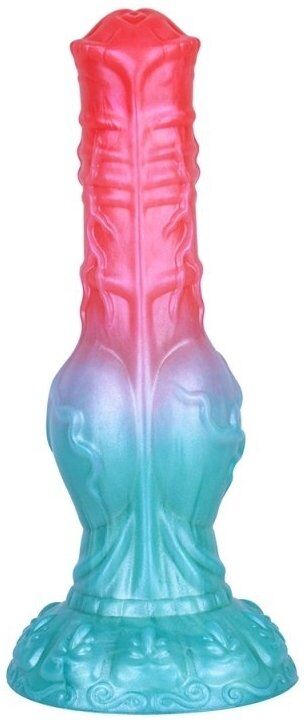
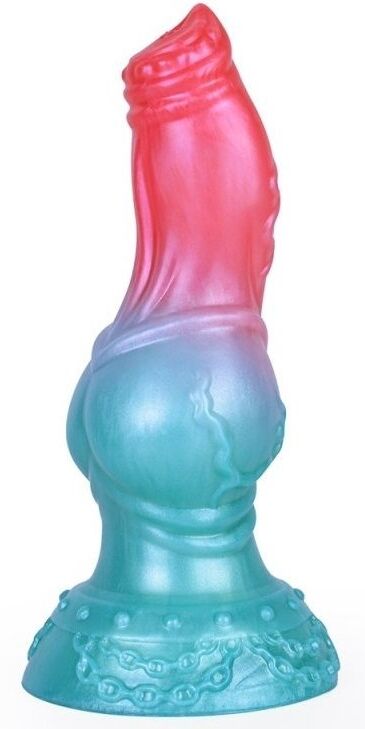
Similar search terms for Unicorny-Gode-Luminous-Sticot
Top-Angebote
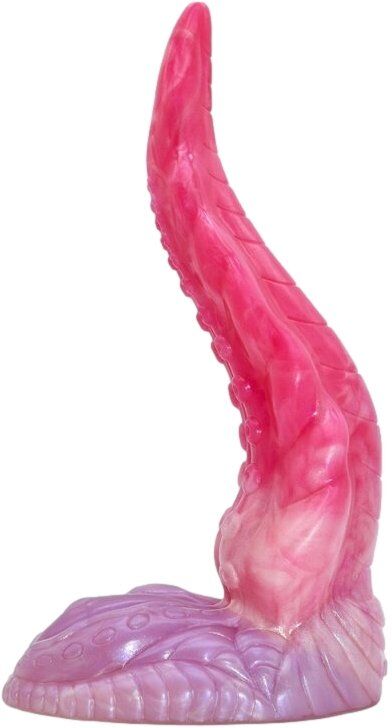
Products related to Unicorny-Gode-Luminous-Sticot:
-
unicorny Gode Monster Mofax 15 x 5.5cmConseils d'utilisation : Nettoyer après chaque utilisation Utiliser un lubrifiant à base d'eau Conserver dans un endroit propre, sec et à l'abri de la chaleur Éviter le contact prolongé avec un autre objet56,99 €*Shipping: 0,00 €Secure redirect to the provider
-
unicorny Gode Tentacule Octoslot 20 x 7cmConseils d'utilisation : Nettoyer avant l'utilisation Utiliser un lubrifiant à base d'eau Placer de préférence un préservatif sur le dessus afin de garantir un meilleur confort d'utilisation. Précautions de conservation : Nettoyer impérativement après chaque utilisation. Passage sous l'eau tiède53,99 €*Shipping: 0,00 €Secure redirect to the provider
-
unicorny Gode Monster Jostex 21 x 6cmConseils d'utilisation : Nettoyer après chaque utilisation Utiliser un lubrifiant à base d'eau Conserver dans un endroit propre, sec et à l'abri de la chaleur Éviter le contact prolongé avec un autre objet73,99 €*Shipping: 0,00 €Secure redirect to the provider
-
unicorny Gode Monster Pitchix 21 x 6.6cmConseils d'utilisation : Nettoyer après chaque utilisation Utiliser un lubrifiant à base d'eau Conserver dans un endroit propre, sec et à l'abri de la chaleur Éviter le contact prolongé avec un autre objet80,99 €*Shipping: 0,00 €Secure redirect to the provider



-
Is the luminous clock radioactive?
No, the luminous clock is not radioactive. The luminescence in the clock is typically achieved using a phosphorescent material that absorbs light and then slowly releases it over time. This process does not involve any radioactive materials. The glow from the clock is simply a result of this light-absorption and emission process. **
-
What is a luminous point?
A luminous point is a theoretical concept used in physics and optics to represent a source of light that emits light in all directions. It is often used as a simplification in the study of light and its behavior, allowing for easier calculations and analysis. In reality, a luminous point does not exist as a physical object, but it is a useful tool for understanding the behavior of light in various systems. **
-
Why is the luminous intensity and not the luminous flux specified for reflector lamps?
The luminous intensity is specified for reflector lamps because it measures the amount of light emitted in a specific direction, which is important for directional lighting applications such as spotlights and floodlights. Reflectors are designed to control and direct light in a specific direction, so specifying luminous intensity helps to ensure that the lamp is suitable for its intended purpose. Luminous flux, on the other hand, measures the total amount of visible light emitted by a source in all directions, which may not be as relevant for reflector lamps where the focus is on directing light in a specific direction. **
-
What is the difference between a self-luminous and an externally luminous object in physics?
In physics, a self-luminous object is one that produces its own light, such as the sun or a light bulb. These objects emit light due to internal processes, such as nuclear fusion or electrical excitation. On the other hand, an externally luminous object is one that reflects light from another source, such as the moon or a mirror. These objects do not produce their own light but appear illuminated due to the light they reflect from another source. **


How do you calculate luminous flux?
Luminous flux is calculated by multiplying the illuminance (in lux) by the area over which the light is distributed. The formula for calculating luminous flux is: Luminous flux (in lumens) = illuminance (in lux) × area (in square meters) This formula takes into account the intensity of the light (illuminance) and the size of the area over which the light is spread to determine the total luminous flux emitted by the light source. **
What are self-luminous celestial bodies?
Self-luminous celestial bodies are objects in space that emit their own light and heat. This includes stars, which generate energy through nuclear fusion in their cores, as well as other luminous objects such as brown dwarfs and hot gas giants. These bodies are able to shine and be visible from Earth due to the light they produce, unlike non-luminous celestial bodies such as planets and moons, which reflect light from the Sun. **
Top-Angebote
Products related to Unicorny-Gode-Luminous-Sticot:
-
unicorny Gode Fulkrat 17 x 6cmConseils d'utilisation : le nettoyer avant et après l'utiliser uniquement avec du lubrifiant à base d'eau le conserver dans un endroit propre et sec, à l'abri de la lumière et de la chaleur, sans contact avec d'autres objets.52,99 €*Shipping: 0,00 €Secure redirect to the provider
-
unicorny Gode Abharat 16 x 6.5cmConseils d'utilisation : le nettoyer avant et après l'utiliser uniquement avec un lubrifiant à base d'eau le conserver dans un endroit sec et propre, à l'abri de la lumière et de la chaleur, sans contact avec un autre objet.56,99 €*Shipping: 0,00 €Secure redirect to the provider
-
unicorny Gode Monster Mofax 15 x 5.5cmConseils d'utilisation : Nettoyer après chaque utilisation Utiliser un lubrifiant à base d'eau Conserver dans un endroit propre, sec et à l'abri de la chaleur Éviter le contact prolongé avec un autre objet56,99 €*Shipping: 0,00 €Secure redirect to the provider
-
unicorny Gode Tentacule Octoslot 20 x 7cmConseils d'utilisation : Nettoyer avant l'utilisation Utiliser un lubrifiant à base d'eau Placer de préférence un préservatif sur le dessus afin de garantir un meilleur confort d'utilisation. Précautions de conservation : Nettoyer impérativement après chaque utilisation. Passage sous l'eau tiède53,99 €*Shipping: 0,00 €Secure redirect to the provider
-
Do you write gote or gode?
I write "gote." **
-
What are self-luminous bodies?
Self-luminous bodies are objects that emit their own light, as opposed to reflecting light from another source. Examples of self-luminous bodies include stars, the sun, and certain types of light bulbs. These objects generate their own energy through processes like nuclear fusion or electrical current, which produces light as a byproduct. **
-
Is the luminous clock radioactive?
No, the luminous clock is not radioactive. The luminescence in the clock is typically achieved using a phosphorescent material that absorbs light and then slowly releases it over time. This process does not involve any radioactive materials. The glow from the clock is simply a result of this light-absorption and emission process. **
-
What is a luminous point?
A luminous point is a theoretical concept used in physics and optics to represent a source of light that emits light in all directions. It is often used as a simplification in the study of light and its behavior, allowing for easier calculations and analysis. In reality, a luminous point does not exist as a physical object, but it is a useful tool for understanding the behavior of light in various systems. **
Similar search terms for Unicorny-Gode-Luminous-Sticot
-
unicorny Gode Monster Jostex 21 x 6cmConseils d'utilisation : Nettoyer après chaque utilisation Utiliser un lubrifiant à base d'eau Conserver dans un endroit propre, sec et à l'abri de la chaleur Éviter le contact prolongé avec un autre objet73,99 €*Shipping: 0,00 €Secure redirect to the provider
-
unicorny Gode Monster Pitchix 21 x 6.6cmConseils d'utilisation : Nettoyer après chaque utilisation Utiliser un lubrifiant à base d'eau Conserver dans un endroit propre, sec et à l'abri de la chaleur Éviter le contact prolongé avec un autre objet80,99 €*Shipping: 0,00 €Secure redirect to the provider
-
unicorny Gode Monster Budal 14 x 6cmConseils d'utilisation : Nettoyer après chaque utilisation Utiliser un lubrifiant à base d'eau Conserver dans un endroit propre, sec et à l'abri de la chaleur Éviter le contact prolongé avec un autre objet63,99 €*Shipping: 0,00 €Secure redirect to the provider
-
unicorny Gode Monster Karfux 21 x 6.5cmConseils d'utilisation : Nettoyer après chaque utilisation Utiliser un lubrifiant à base d'eau Conserver dans un endroit propre, sec et à l'abri de la chaleur Éviter le contact prolongé avec un autre objet75,99 €*Shipping: 0,00 €Secure redirect to the provider
-
Why is the luminous intensity and not the luminous flux specified for reflector lamps?
The luminous intensity is specified for reflector lamps because it measures the amount of light emitted in a specific direction, which is important for directional lighting applications such as spotlights and floodlights. Reflectors are designed to control and direct light in a specific direction, so specifying luminous intensity helps to ensure that the lamp is suitable for its intended purpose. Luminous flux, on the other hand, measures the total amount of visible light emitted by a source in all directions, which may not be as relevant for reflector lamps where the focus is on directing light in a specific direction. **
-
What is the difference between a self-luminous and an externally luminous object in physics?
In physics, a self-luminous object is one that produces its own light, such as the sun or a light bulb. These objects emit light due to internal processes, such as nuclear fusion or electrical excitation. On the other hand, an externally luminous object is one that reflects light from another source, such as the moon or a mirror. These objects do not produce their own light but appear illuminated due to the light they reflect from another source. **
-
How do you calculate luminous flux?
Luminous flux is calculated by multiplying the illuminance (in lux) by the area over which the light is distributed. The formula for calculating luminous flux is: Luminous flux (in lumens) = illuminance (in lux) × area (in square meters) This formula takes into account the intensity of the light (illuminance) and the size of the area over which the light is spread to determine the total luminous flux emitted by the light source. **
-
What are self-luminous celestial bodies?
Self-luminous celestial bodies are objects in space that emit their own light and heat. This includes stars, which generate energy through nuclear fusion in their cores, as well as other luminous objects such as brown dwarfs and hot gas giants. These bodies are able to shine and be visible from Earth due to the light they produce, unlike non-luminous celestial bodies such as planets and moons, which reflect light from the Sun. **
* All prices are inclusive of VAT and, if applicable, plus shipping costs. The offer information is based on the details provided by the respective shop and is updated through automated processes. Real-time updates do not occur, so deviations can occur in individual cases. ** Note: Parts of this content were created by AI.