Buy belgaweb.be ?
We are moving the project
belgaweb.be .
Are you interested in purchasing the domain
belgaweb.be ?
domain@kv-gmbh.de · 0541-91531010
Buy belgaweb.be ?
Hello people, what is the difference between "à tout à l'heure" and "à tout de suite"?
"À tout à l'heure" and "à tout de suite" are both French expressions used to indicate that you will see someone later. However, "à tout à l'heure" is more casual and implies that the meeting will happen in a little while, while "à tout de suite" is more immediate and suggests that the meeting will happen very soon, almost instantly. **
Hello guys, what is the difference between "à tout à l'heure" and "à tout de suite"?
"À tout à l'heure" and "à tout de suite" are both French expressions used to indicate that you will see someone later. However, "à tout à l'heure" is more commonly used to mean "see you later" when the time frame is a bit longer, such as later in the day. On the other hand, "à tout de suite" is used when the meeting or reunion is happening very soon, almost immediately. **


Similar search terms for Arbre-à-came-MOTIVE
Top-Angebote
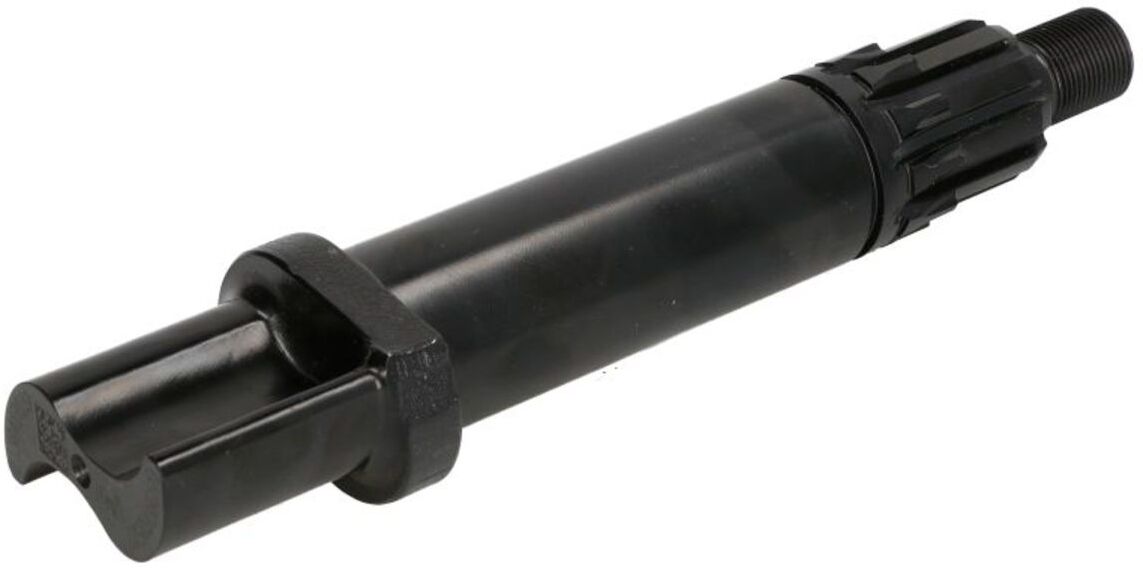
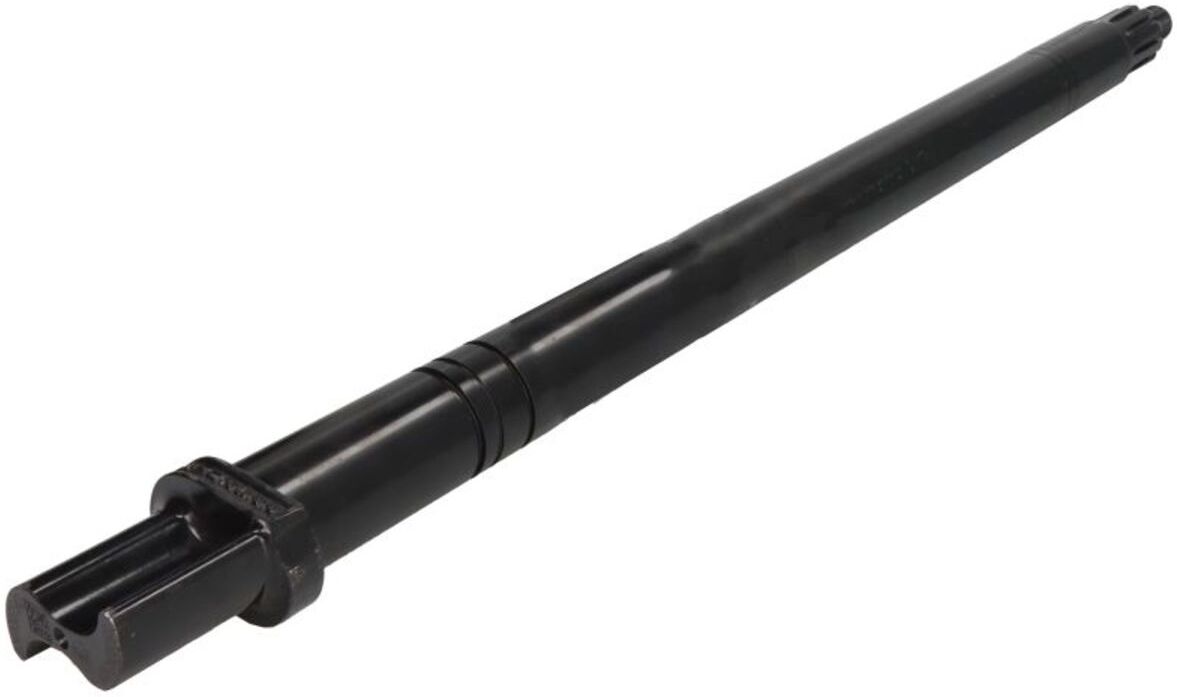
Products related to Arbre-à-came-MOTIVE:


-
Hello everyone, what is the difference between "à tout à l'heure" and "à tout de suite"?
"À tout à l'heure" and "à tout de suite" are both French expressions used to indicate that you will see someone later. However, "à tout à l'heure" is more casual and can mean "see you later" or "see you in a bit," while "à tout de suite" is more immediate and means "see you soon" or "see you in a moment." The choice between the two depends on the level of immediacy in the meeting or the context in which it is being used. **
-
What is a tendu à terre à la seconde en face?
A tendu à terre à la seconde en face is a movement in ballet where the working foot slides along the floor to the side (à la seconde) while the body is facing directly forward (en face). This movement is typically done with the working leg fully stretched and the foot pointed, and it is used to strengthen the legs, improve turnout, and develop precision and control in the feet. The tendu à terre à la seconde en face is a fundamental exercise in ballet that is often used as a warm-up or as part of a combination in a ballet class. **
-
Which motive for a tattoo?
People get tattoos for a variety of reasons, including self-expression, commemorating a significant event or person, honoring their cultural heritage, or simply for aesthetic purposes. Some may choose to get a tattoo as a form of empowerment or to symbolize a personal journey or struggle. Ultimately, the motive for getting a tattoo is deeply personal and can vary greatly from person to person. **
-
What is a motive crime?
A motive crime is a criminal act that is committed with a specific reason or intention in mind. This reason could be to achieve a certain goal, such as financial gain, revenge, jealousy, or power. Understanding the motive behind a crime is important for investigators and prosecutors in order to build a case and establish the perpetrator's intent. Motive can help provide insight into the circumstances surrounding the crime and can be a key factor in determining guilt or innocence. **


What is Oscar Schaller's motive?
Oscar Schaller's motive is to seek revenge for the death of his wife and daughter, who were killed in a car accident caused by a drunk driver. He is driven by a deep desire for justice and closure, and is willing to go to extreme lengths to achieve it. His motive is fueled by grief and anger, and he is determined to make the person responsible for his family's death pay for their actions. **
When do we use the prepositions à, à la, chez, au, and aux in French?
We use the preposition "à" to indicate a location or destination, to express possession, or to talk about a specific time. "À la" is used before a feminine singular noun to indicate a location or destination. "Chez" is used to indicate going to someone's house or place of business. "Au" is used before a masculine singular noun to indicate a location or destination. "Aux" is used before a plural noun to indicate a location or destination. **
Top-Angebote
Products related to Arbre-à-came-MOTIVE:
-
Hello people, what is the difference between "à tout à l'heure" and "à tout de suite"?
"À tout à l'heure" and "à tout de suite" are both French expressions used to indicate that you will see someone later. However, "à tout à l'heure" is more casual and implies that the meeting will happen in a little while, while "à tout de suite" is more immediate and suggests that the meeting will happen very soon, almost instantly. **
-
Hello guys, what is the difference between "à tout à l'heure" and "à tout de suite"?
"À tout à l'heure" and "à tout de suite" are both French expressions used to indicate that you will see someone later. However, "à tout à l'heure" is more commonly used to mean "see you later" when the time frame is a bit longer, such as later in the day. On the other hand, "à tout de suite" is used when the meeting or reunion is happening very soon, almost immediately. **
-
Hello everyone, what is the difference between "à tout à l'heure" and "à tout de suite"?
"À tout à l'heure" and "à tout de suite" are both French expressions used to indicate that you will see someone later. However, "à tout à l'heure" is more casual and can mean "see you later" or "see you in a bit," while "à tout de suite" is more immediate and means "see you soon" or "see you in a moment." The choice between the two depends on the level of immediacy in the meeting or the context in which it is being used. **
-
What is a tendu à terre à la seconde en face?
A tendu à terre à la seconde en face is a movement in ballet where the working foot slides along the floor to the side (à la seconde) while the body is facing directly forward (en face). This movement is typically done with the working leg fully stretched and the foot pointed, and it is used to strengthen the legs, improve turnout, and develop precision and control in the feet. The tendu à terre à la seconde en face is a fundamental exercise in ballet that is often used as a warm-up or as part of a combination in a ballet class. **
Similar search terms for Arbre-à-came-MOTIVE
-
Which motive for a tattoo?
People get tattoos for a variety of reasons, including self-expression, commemorating a significant event or person, honoring their cultural heritage, or simply for aesthetic purposes. Some may choose to get a tattoo as a form of empowerment or to symbolize a personal journey or struggle. Ultimately, the motive for getting a tattoo is deeply personal and can vary greatly from person to person. **
-
What is a motive crime?
A motive crime is a criminal act that is committed with a specific reason or intention in mind. This reason could be to achieve a certain goal, such as financial gain, revenge, jealousy, or power. Understanding the motive behind a crime is important for investigators and prosecutors in order to build a case and establish the perpetrator's intent. Motive can help provide insight into the circumstances surrounding the crime and can be a key factor in determining guilt or innocence. **
-
What is Oscar Schaller's motive?
Oscar Schaller's motive is to seek revenge for the death of his wife and daughter, who were killed in a car accident caused by a drunk driver. He is driven by a deep desire for justice and closure, and is willing to go to extreme lengths to achieve it. His motive is fueled by grief and anger, and he is determined to make the person responsible for his family's death pay for their actions. **
-
When do we use the prepositions à, à la, chez, au, and aux in French?
We use the preposition "à" to indicate a location or destination, to express possession, or to talk about a specific time. "À la" is used before a feminine singular noun to indicate a location or destination. "Chez" is used to indicate going to someone's house or place of business. "Au" is used before a masculine singular noun to indicate a location or destination. "Aux" is used before a plural noun to indicate a location or destination. **
* All prices are inclusive of VAT and, if applicable, plus shipping costs. The offer information is based on the details provided by the respective shop and is updated through automated processes. Real-time updates do not occur, so deviations can occur in individual cases. ** Note: Parts of this content were created by AI.