Buy belgaweb.be ?
We are moving the project
belgaweb.be .
Are you interested in purchasing the domain
belgaweb.be ?
domain@kv-gmbh.de · 0541-91531010
Buy belgaweb.be ?
What are Byzantine relations?
Byzantine relations refer to the diplomatic, political, and cultural interactions between the Byzantine Empire and other states or entities. These relations were crucial for the Byzantine Empire's survival and influence, as they involved alliances, treaties, trade agreements, and military cooperation with neighboring powers such as the Roman Empire, Persia, Arab Caliphates, and various European kingdoms. Byzantine relations also involved religious and cultural exchanges, as the Byzantine Empire played a significant role in spreading Christianity and preserving classical knowledge. These relations were often complex and constantly evolving, shaping the empire's foreign policy and its place in the wider world. **
Does anyone know of a Byzantine goat?
There is no specific mention of a "Byzantine goat" in historical records or literature. However, goats were commonly raised and used for their milk, meat, and wool in the Byzantine Empire. They were an important part of the agricultural economy and daily life of the Byzantine people. While there may not be a specific goat known as the "Byzantine goat," goats were certainly a familiar sight in Byzantine society. **

Similar search terms for Byzantine
Top-Angebote
Products related to Byzantine:
-
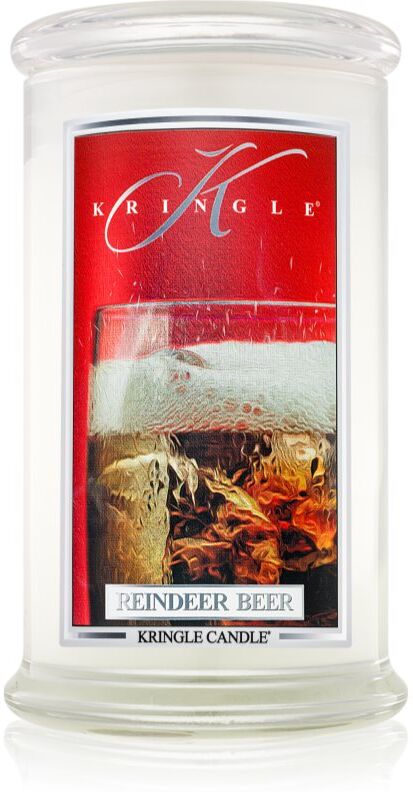
Kringle Candle Reindeer Beer bougie parfumée 624 gKringle Candle Reindeer Beer, 624 g, Bougies parfumées Parfum d'ambiance, Un parfum peut transformer en un instant l’ambiance d’un lieu et influencer l’humeur. La bougie parfumée Kringle Candle Reindeer Beer embaume votre nid douillet et crée un environnement agréable, propice aussi bien à la détente qu’aux moments partagés en famille ou consacrés à vous-même. Avec sa flamme vacillante et son crépitement discret, elle confère également à votre intérieur une atmosphère chaleureuse et apaisante. Le produit : arôme de Noël parfum hivernal parfum gourmand Composition du produit : constitué à 100 % de cire de soja Mode d’emploi : Laissez la bougie brûler jusqu’à ce que la couche supérieure soit entièrement fondue afin d’éviter la formation d’un creux dans la cire. Pour une combustion optimale, il est conseillé de couper régulièrement la mèche à la longueur recommandée.19,50 €*Shipping: 3,45 €Secure redirect to the provider
-
Bohemia Gifts Beer Spa coffret cadeau pour hommeBohemia Gifts Beer Spa, , Kits corps pour hommes pour homme, Faites-vous plaisir avec un coffret cosmétique Bohemia Gifts Beer Spa plein de produits cosmétiques conçus pour le corps des hommes. Il plaira aux homme modernes qui accordent de l’importance à leur apparence. L'ensemble contient: shampoing 200 ml gel de douche 200 ml sel de bain 150 g savon fait à la main 30 g Le produit : assortiment de produits cosmétiques pour un usage quotidien constitue le cadeau idéal emballage cadeau Mode d’emploi : Utilisez chaque produit contenu dans le coffret cosmétique en respectant les instructions fournies dans le mode d’emploi.10,90 €*Shipping: 3,45 €Secure redirect to the provider
-
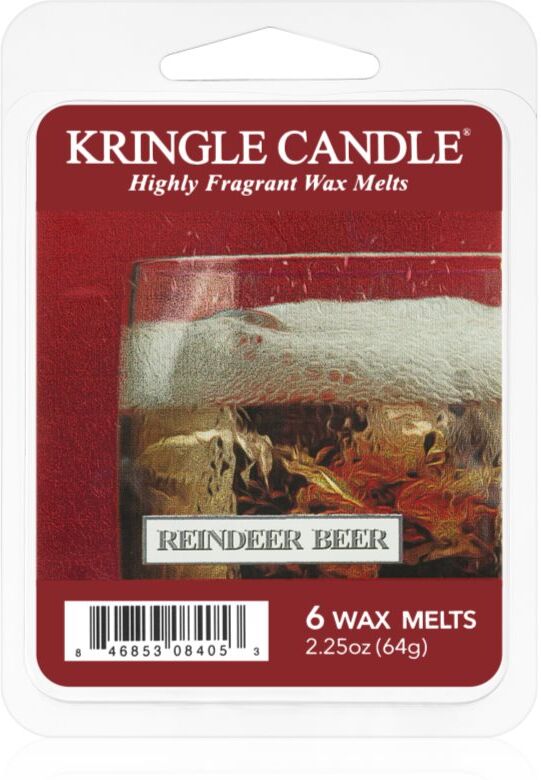
Kringle Candle Reindeer Beer tartelette en cire 64 gKringle Candle Reindeer Beer, 64 g, Cire pour brûle-parfum Parfum d'ambiance, Un parfum peut donner autant de caractère à un intérieur que des objets de décoration. La cire pour brûle-parfum Kringle Candle Reindeer Beer constitue une solution élégante pour apporter une signature olfactive unique à votre intérieur. Une fois fondue, elle libère un parfum intense qui rend l’atmosphère plus agréable et instaure calme et bien-être. Grâce à son format pratique, elle se dose facilement selon l’intensité souhaitée. Le produit : parfum de fête thématique arôme de Noël Mode d’emploi : Ne laissez jamais votre cire avec la bougie allumée sans surveillance ou à proximité d’objets facilement inflammables. Ne laissez pas le produit à la portée des enfants ou des animaux domestiques.4,50 €*Shipping: 3,45 €Secure redirect to the provider
-
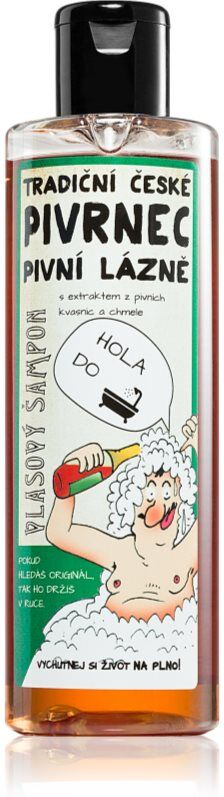
Bohemia Gifts Beer shampoing à la bière 250 mlBohemia Gifts Beer, 250 ml, Shampoings pour homme, Pour garder des cheveux en bonne santé, brillants et pleins de vitalité, il est important d’en prendre correctement soin. Et cela commence par un lavage régulier. Le shampoing Bohemia Gifts Beer aide à éliminer efficacement toutes les impuretés des cheveux et du cuir chevelu, telles que la saleté, l’excès de sébum et les résidus de produits coiffants et des autres soins cosmétiques. Il vous procure également une sensation de propreté et de fraîcheur, prépare parfaitement les cheveux et le cuir chevelu à l’application des autres soins et renforce les effets des substances actives qu’ils contiennent. Le produit : lave les cheveux et nettoie le cuir chevelu régénère et nourrit les cheveux hydrate intensément Mode d’emploi : Appliquez une quantité raisonnable de shampoing sur les cheveux mouillés. Faites mousser et rincez abondamment.4,60 €*Shipping: 3,45 €Secure redirect to the provider

-
What is meant by the Byzantine bureaucracy?
The Byzantine bureaucracy refers to the administrative system of the Byzantine Empire, which was highly organized and centralized. It was characterized by a complex hierarchy of officials and administrators who were responsible for managing the empire's vast territories, collecting taxes, enforcing laws, and overseeing various aspects of governance. The bureaucracy played a crucial role in maintaining the stability and functioning of the Byzantine state, and it was known for its efficiency and effectiveness in managing the empire's affairs. The Byzantine bureaucracy was also known for its use of intricate protocols and formalities, which contributed to the empire's reputation for elaborate ceremonial and court etiquette. **
-
Was the Byzantine Empire more Roman or Greek?
The Byzantine Empire was a blend of both Roman and Greek influences. While it was founded by the Roman Emperor Constantine and maintained Roman administrative structures, it also adopted many aspects of Greek culture, language, and art. The Byzantine Empire's official language was Greek, and its Christian religion was heavily influenced by Greek Orthodox traditions. Overall, the Byzantine Empire can be seen as a continuation of the Roman Empire with strong Greek cultural influences. **
-
Are there differences between the Roman and Byzantine Empires?
Yes, there are several differences between the Roman and Byzantine Empires. The Roman Empire was known for its vast territorial expansion and emphasis on military conquest, while the Byzantine Empire focused more on maintaining and consolidating its existing territories. The Roman Empire was predominantly pagan before adopting Christianity, while the Byzantine Empire was a stronghold of Christianity. Additionally, the Byzantine Empire had a more centralized and bureaucratic government compared to the Roman Empire's more decentralized system. **
-
Could the Byzantine Empire have restored the Roman Empire?
The Byzantine Empire, also known as the Eastern Roman Empire, was a continuation of the Roman Empire in the east. While the Byzantine Empire did manage to preserve many aspects of Roman culture and institutions, it faced numerous challenges that made restoring the Roman Empire in its entirety unlikely. The Western Roman Empire had already collapsed by the time the Byzantine Empire reached its height, and the Byzantines faced constant threats from external invasions, internal strife, and economic difficulties. Additionally, the Byzantine Empire had a different cultural and religious identity than the Western Roman Empire, making a full restoration of the Roman Empire under Byzantine rule improbable. **


What nationality did the Byzantine Emperor Justinian I have?
Byzantine Emperor Justinian I was of Illyrian descent, which is an ancient ethnic group that inhabited the western Balkans. Illyrians were known for their warrior culture and were one of the earliest known groups to inhabit the region. Justinian I was born in Tauresium, Illyria, which is located in modern-day North Macedonia. **
What was the nationality of the Byzantine Emperor Justinian I?
Justinian I was a Byzantine Emperor, and the Byzantine Empire was the continuation of the Eastern Roman Empire. Therefore, Justinian I was of Roman nationality, as the Byzantine Empire considered itself the rightful heir to the Roman Empire. However, it is important to note that during Justinian's time, the concept of nationality was different from how we understand it today, and the people of the Byzantine Empire identified themselves as Romans. **
Top-Angebote
Products related to Byzantine:
-
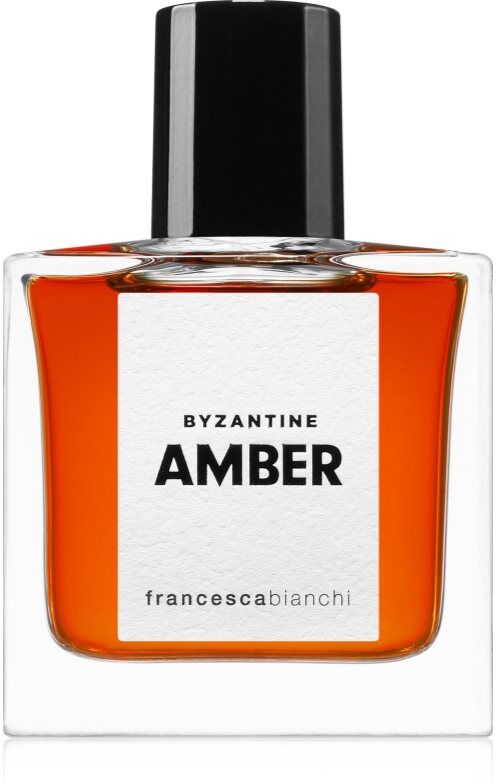
Francesca Bianchi Byzantine Amber extrait de parfum mixte 100 mlFrancesca Bianchi Byzantine Amber, 100 ml, Parfums mixte, Offrez-vous un parfum qui vous rendra unique où que vous soyez. Le parfum mixte Francesca Bianchi Byzantine Amber est l’incarnation même du luxe et de l’exclusivité. Sa composition aromatique très élaborée plaira aux plus exigeants. parfum qui ne suit pas les tendances pour celles et ceux qui n'ont pas peur de sortir des sentiers battus mixte : tant pour les femmes que pour les hommes158,40 €*Shipping: 3,45 €Secure redirect to the provider
-
Francesca Bianchi Byzantine Amber extrait de parfum mixte 30 mlFrancesca Bianchi Byzantine Amber, 30 ml, Parfums mixte, Offrez-vous un parfum qui vous rendra unique où que vous soyez. Le parfum mixte Francesca Bianchi Byzantine Amber est l’incarnation même du luxe et de l’exclusivité. Sa composition aromatique très élaborée plaira aux plus exigeants. parfum qui ne suit pas les tendances pour celles et ceux qui n'ont pas peur de sortir des sentiers battus mixte : tant pour les femmes que pour les hommes71,00 €*Shipping: 3,45 €Secure redirect to the provider
-
Kringle Candle Reindeer Beer bougie parfumée 624 gKringle Candle Reindeer Beer, 624 g, Bougies parfumées Parfum d'ambiance, Un parfum peut transformer en un instant l’ambiance d’un lieu et influencer l’humeur. La bougie parfumée Kringle Candle Reindeer Beer embaume votre nid douillet et crée un environnement agréable, propice aussi bien à la détente qu’aux moments partagés en famille ou consacrés à vous-même. Avec sa flamme vacillante et son crépitement discret, elle confère également à votre intérieur une atmosphère chaleureuse et apaisante. Le produit : arôme de Noël parfum hivernal parfum gourmand Composition du produit : constitué à 100 % de cire de soja Mode d’emploi : Laissez la bougie brûler jusqu’à ce que la couche supérieure soit entièrement fondue afin d’éviter la formation d’un creux dans la cire. Pour une combustion optimale, il est conseillé de couper régulièrement la mèche à la longueur recommandée.19,50 €*Shipping: 3,45 €Secure redirect to the provider
-
Bohemia Gifts Beer Spa coffret cadeau pour hommeBohemia Gifts Beer Spa, , Kits corps pour hommes pour homme, Faites-vous plaisir avec un coffret cosmétique Bohemia Gifts Beer Spa plein de produits cosmétiques conçus pour le corps des hommes. Il plaira aux homme modernes qui accordent de l’importance à leur apparence. L'ensemble contient: shampoing 200 ml gel de douche 200 ml sel de bain 150 g savon fait à la main 30 g Le produit : assortiment de produits cosmétiques pour un usage quotidien constitue le cadeau idéal emballage cadeau Mode d’emploi : Utilisez chaque produit contenu dans le coffret cosmétique en respectant les instructions fournies dans le mode d’emploi.10,90 €*Shipping: 3,45 €Secure redirect to the provider
-
What are Byzantine relations?
Byzantine relations refer to the diplomatic, political, and cultural interactions between the Byzantine Empire and other states or entities. These relations were crucial for the Byzantine Empire's survival and influence, as they involved alliances, treaties, trade agreements, and military cooperation with neighboring powers such as the Roman Empire, Persia, Arab Caliphates, and various European kingdoms. Byzantine relations also involved religious and cultural exchanges, as the Byzantine Empire played a significant role in spreading Christianity and preserving classical knowledge. These relations were often complex and constantly evolving, shaping the empire's foreign policy and its place in the wider world. **
-
Does anyone know of a Byzantine goat?
There is no specific mention of a "Byzantine goat" in historical records or literature. However, goats were commonly raised and used for their milk, meat, and wool in the Byzantine Empire. They were an important part of the agricultural economy and daily life of the Byzantine people. While there may not be a specific goat known as the "Byzantine goat," goats were certainly a familiar sight in Byzantine society. **
-
What is meant by the Byzantine bureaucracy?
The Byzantine bureaucracy refers to the administrative system of the Byzantine Empire, which was highly organized and centralized. It was characterized by a complex hierarchy of officials and administrators who were responsible for managing the empire's vast territories, collecting taxes, enforcing laws, and overseeing various aspects of governance. The bureaucracy played a crucial role in maintaining the stability and functioning of the Byzantine state, and it was known for its efficiency and effectiveness in managing the empire's affairs. The Byzantine bureaucracy was also known for its use of intricate protocols and formalities, which contributed to the empire's reputation for elaborate ceremonial and court etiquette. **
-
Was the Byzantine Empire more Roman or Greek?
The Byzantine Empire was a blend of both Roman and Greek influences. While it was founded by the Roman Emperor Constantine and maintained Roman administrative structures, it also adopted many aspects of Greek culture, language, and art. The Byzantine Empire's official language was Greek, and its Christian religion was heavily influenced by Greek Orthodox traditions. Overall, the Byzantine Empire can be seen as a continuation of the Roman Empire with strong Greek cultural influences. **
Similar search terms for Byzantine
-
Kringle Candle Reindeer Beer tartelette en cire 64 gKringle Candle Reindeer Beer, 64 g, Cire pour brûle-parfum Parfum d'ambiance, Un parfum peut donner autant de caractère à un intérieur que des objets de décoration. La cire pour brûle-parfum Kringle Candle Reindeer Beer constitue une solution élégante pour apporter une signature olfactive unique à votre intérieur. Une fois fondue, elle libère un parfum intense qui rend l’atmosphère plus agréable et instaure calme et bien-être. Grâce à son format pratique, elle se dose facilement selon l’intensité souhaitée. Le produit : parfum de fête thématique arôme de Noël Mode d’emploi : Ne laissez jamais votre cire avec la bougie allumée sans surveillance ou à proximité d’objets facilement inflammables. Ne laissez pas le produit à la portée des enfants ou des animaux domestiques.4,50 €*Shipping: 3,45 €Secure redirect to the provider
-
Bohemia Gifts Beer shampoing à la bière 250 mlBohemia Gifts Beer, 250 ml, Shampoings pour homme, Pour garder des cheveux en bonne santé, brillants et pleins de vitalité, il est important d’en prendre correctement soin. Et cela commence par un lavage régulier. Le shampoing Bohemia Gifts Beer aide à éliminer efficacement toutes les impuretés des cheveux et du cuir chevelu, telles que la saleté, l’excès de sébum et les résidus de produits coiffants et des autres soins cosmétiques. Il vous procure également une sensation de propreté et de fraîcheur, prépare parfaitement les cheveux et le cuir chevelu à l’application des autres soins et renforce les effets des substances actives qu’ils contiennent. Le produit : lave les cheveux et nettoie le cuir chevelu régénère et nourrit les cheveux hydrate intensément Mode d’emploi : Appliquez une quantité raisonnable de shampoing sur les cheveux mouillés. Faites mousser et rincez abondamment.4,60 €*Shipping: 3,45 €Secure redirect to the provider
-
Bohemia Gifts Beer ensemble corps et cheveux pour hommeBohemia Gifts Beer, , Kits corps pour hommes pour homme, Faites-vous plaisir avec un coffret cosmétique Bohemia Gifts Beer plein de produits cosmétiques conçus pour le corps des hommes. Il plaira aux homme modernes qui accordent de l’importance à leur apparence. L'ensemble contient: gel de douche 100 ml savon 85 g shampoing 100 ml Le produit : assortiment de produits cosmétiques pour un usage quotidien constitue le cadeau idéal fera plaisir à tous les hommes Mode d’emploi : Utilisez chaque produit contenu dans le coffret cosmétique en respectant les instructions fournies dans le mode d’emploi.7,90 €*Shipping: 3,45 €Secure redirect to the provider
-
Are there differences between the Roman and Byzantine Empires?
Yes, there are several differences between the Roman and Byzantine Empires. The Roman Empire was known for its vast territorial expansion and emphasis on military conquest, while the Byzantine Empire focused more on maintaining and consolidating its existing territories. The Roman Empire was predominantly pagan before adopting Christianity, while the Byzantine Empire was a stronghold of Christianity. Additionally, the Byzantine Empire had a more centralized and bureaucratic government compared to the Roman Empire's more decentralized system. **
-
Could the Byzantine Empire have restored the Roman Empire?
The Byzantine Empire, also known as the Eastern Roman Empire, was a continuation of the Roman Empire in the east. While the Byzantine Empire did manage to preserve many aspects of Roman culture and institutions, it faced numerous challenges that made restoring the Roman Empire in its entirety unlikely. The Western Roman Empire had already collapsed by the time the Byzantine Empire reached its height, and the Byzantines faced constant threats from external invasions, internal strife, and economic difficulties. Additionally, the Byzantine Empire had a different cultural and religious identity than the Western Roman Empire, making a full restoration of the Roman Empire under Byzantine rule improbable. **
-
What nationality did the Byzantine Emperor Justinian I have?
Byzantine Emperor Justinian I was of Illyrian descent, which is an ancient ethnic group that inhabited the western Balkans. Illyrians were known for their warrior culture and were one of the earliest known groups to inhabit the region. Justinian I was born in Tauresium, Illyria, which is located in modern-day North Macedonia. **
-
What was the nationality of the Byzantine Emperor Justinian I?
Justinian I was a Byzantine Emperor, and the Byzantine Empire was the continuation of the Eastern Roman Empire. Therefore, Justinian I was of Roman nationality, as the Byzantine Empire considered itself the rightful heir to the Roman Empire. However, it is important to note that during Justinian's time, the concept of nationality was different from how we understand it today, and the people of the Byzantine Empire identified themselves as Romans. **
* All prices are inclusive of VAT and, if applicable, plus shipping costs. The offer information is based on the details provided by the respective shop and is updated through automated processes. Real-time updates do not occur, so deviations can occur in individual cases. ** Note: Parts of this content were created by AI.