Buy belgaweb.be ?
We are moving the project
belgaweb.be .
Are you interested in purchasing the domain
belgaweb.be ?
domain@kv-gmbh.de · 0541-91531010
Buy belgaweb.be ?
'Den or dem? Wen or wem?'
In German, "den" and "wen" are used as the accusative forms of the masculine and neuter definite articles, as well as for masculine and neuter direct objects. On the other hand, "dem" and "wem" are used as the dative forms of the masculine and neuter definite articles, as well as for masculine and neuter indirect objects. It's important to pay attention to the case and gender of the noun in order to use the correct form. **
Why is "wen" used instead of "wem"?
"Wen" is used instead of "wem" in English because "wen" is the correct form of the word when used as an interrogative pronoun. "Wem" is an older form of the word that is no longer commonly used in modern English. The use of "wen" helps to maintain clarity and consistency in language usage. **


Similar search terms for Wem
Top-Angebote
Products related to Wem:
-
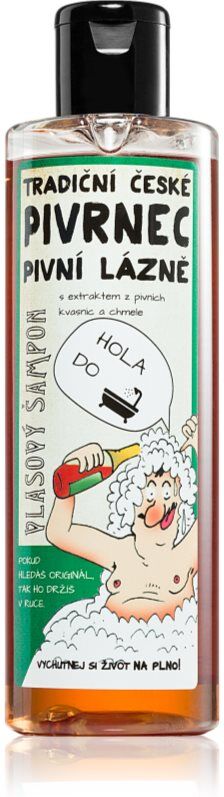
Bohemia Gifts Beer shampoing à la bière 250 mlBohemia Gifts Beer, 250 ml, Shampoings pour homme, Pour garder des cheveux en bonne santé, brillants et pleins de vitalité, il est important d’en prendre correctement soin. Et cela commence par un lavage régulier. Le shampoing Bohemia Gifts Beer aide à éliminer efficacement toutes les impuretés des cheveux et du cuir chevelu, telles que la saleté, l’excès de sébum et les résidus de produits coiffants et des autres soins cosmétiques. Il vous procure également une sensation de propreté et de fraîcheur, prépare parfaitement les cheveux et le cuir chevelu à l’application des autres soins et renforce les effets des substances actives qu’ils contiennent. Le produit : lave les cheveux et nettoie le cuir chevelu régénère et nourrit les cheveux hydrate intensément Mode d’emploi : Appliquez une quantité raisonnable de shampoing sur les cheveux mouillés. Faites mousser et rincez abondamment.3,68 €*Shipping: 3,45 €Secure redirect to the provider
-
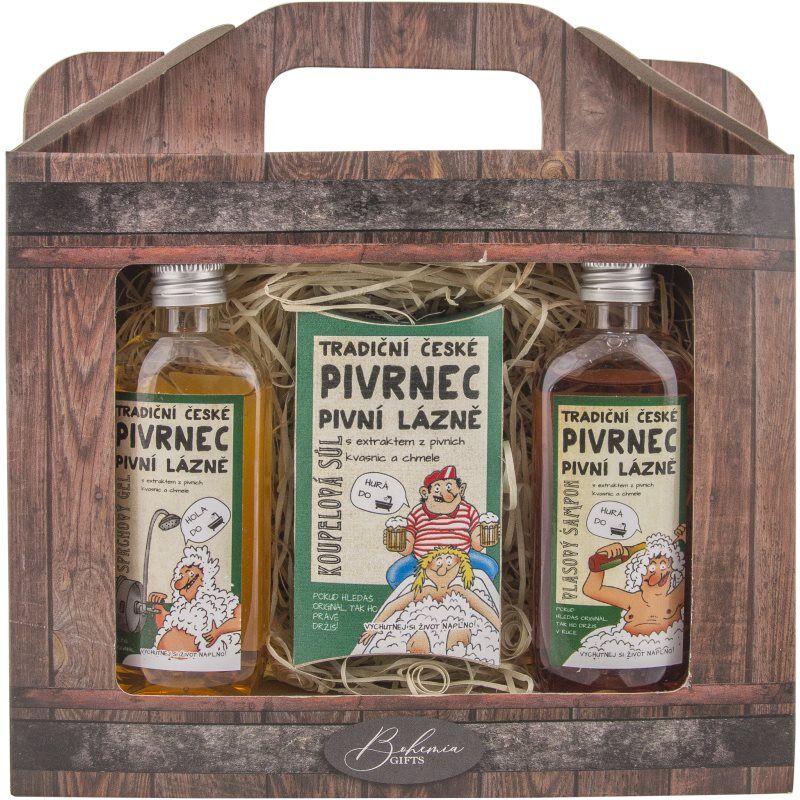
Bohemia Gifts Beer coffret cadeau pour le bain pour hommeBohemia Gifts Beer, , Kits corps pour hommes pour homme, Faites-vous plaisir avec un coffret cosmétique Bohemia Gifts Beer plein de produits cosmétiques conçus pour le corps des hommes. Il plaira aux homme modernes qui accordent de l’importance à leur apparence. L'ensemble contient: shampoing à la bière 100 ml gel douche à la bière 100 ml sel de bain à la bière 150 g Le produit : assortiment de produits cosmétiques pour un usage quotidien emballage cadeau Mode d’emploi : Utilisez chaque produit contenu dans le coffret cosmétique en respectant les instructions fournies dans le mode d’emploi.6,32 €*Shipping: 3,45 €Secure redirect to the provider
-
Mapalé Lace bodyshort black 90La lumière glisse sur la dentelle du Lace bodyshort black 90 et révèle sa finesse. Il attire le regard, tout simplement. Ce shorty noir épouse les formes avec une aisance naturelle et laisse une impression de douceur dès qu’on le touche.Une allure sensuelle et confortable ✨Conçu par la marque10,49 €*Shipping: 3,90 €Secure redirect to the provider

-
What is the difference between "wen" and "wem"?
"Wen" is used as a question word to ask about the subject of a sentence, while "wem" is used to ask about the indirect object. For example, "Wen hast du gesehen?" means "Whom did you see?" and "Wem hast du das Buch gegeben?" means "To whom did you give the book?" The main difference is that "wen" is used for the direct object and "wem" is used for the indirect object in German grammar. **
-
Why do we use "wen" and not "wem"?
"We" is used as the subject of a sentence, while "us" is used as the object. "Wen" is the objective form of "we," so it is used when "we" is the object of a verb or preposition. On the other hand, "wem" is not a standard English word and is not used in place of "wen." Therefore, we use "wen" and not "wem" because "wen" is the correct objective form of "we" in English. **
-
What is the difference between "wem" and "wen"?
"Wem" and "wen" are both pronouns used in the German language to indicate the indirect object of a sentence. The main difference between the two is that "wem" is used in the dative case, while "wen" is used in the accusative case. In other words, "wem" is used when the indirect object is the recipient of the action, while "wen" is used when the indirect object is the target of the action. For example, "Ich gebe dem Mann das Buch" (I give the book to the man) uses "dem Mann" (dative) with "wem," while "Ich sehe den Mann" (I see the man) uses "den Mann" (accusative) with "wen." **
-
Why are "wen" and "wem" used in these sentences?
"Wen" and "wem" are used in these sentences because they are the accusative and dative forms of the pronoun "we" in German. The accusative form "wen" is used when "we" is the direct object of the sentence, while the dative form "wem" is used when "we" is the indirect object. These forms indicate the different roles that "we" plays in the sentences, helping to clarify the relationships between the subjects and objects in the sentence. **

What does "Mit wem habe ich die Ehre?" mean?
"Mit wem habe ich die Ehre?" is a polite way of asking "Who do I have the honor of speaking to?" in German. It is often used when meeting someone for the first time or in a formal setting to inquire about the identity of the person you are addressing. This phrase is a respectful way of showing interest in the other person and acknowledging their presence. **
What is the difference between wen, wem, den, and dem?
In German, "wen" and "den" are used as accusative forms of "wer" and "der" respectively, while "wem" and "dem" are used as dative forms. "Wen" and "wem" are used when the pronoun is the direct or indirect object of the sentence, while "den" and "dem" are used when the pronoun is the direct or indirect object of a masculine noun. The choice between "wen" and "den" depends on the gender of the noun being referred to, while the choice between "wem" and "dem" depends on whether the pronoun is the direct or indirect object. **
Top-Angebote
Products related to Wem:
-
Bohemia Gifts Beer Spa coffret cadeau pour hommeBohemia Gifts Beer Spa, , Kits corps pour hommes pour homme, Faites-vous plaisir avec un coffret cosmétique Bohemia Gifts Beer Spa plein de produits cosmétiques conçus pour le corps des hommes. Il plaira aux homme modernes qui accordent de l’importance à leur apparence. L'ensemble contient: shampoing 200 ml gel de douche 200 ml sel de bain 150 g savon fait à la main 30 g Le produit : assortiment de produits cosmétiques pour un usage quotidien constitue le cadeau idéal emballage cadeau Mode d’emploi : Utilisez chaque produit contenu dans le coffret cosmétique en respectant les instructions fournies dans le mode d’emploi.10,40 €*Shipping: 3,45 €Secure redirect to the provider
-
Bohemia Gifts Beer ensemble corps et cheveux pour hommeBohemia Gifts Beer, , Kits corps pour hommes pour homme, Faites-vous plaisir avec un coffret cosmétique Bohemia Gifts Beer plein de produits cosmétiques conçus pour le corps des hommes. Il plaira aux homme modernes qui accordent de l’importance à leur apparence. L'ensemble contient: gel de douche 100 ml savon 85 g shampoing 100 ml Le produit : assortiment de produits cosmétiques pour un usage quotidien constitue le cadeau idéal fera plaisir à tous les hommes Mode d’emploi : Utilisez chaque produit contenu dans le coffret cosmétique en respectant les instructions fournies dans le mode d’emploi.6,64 €*Shipping: 3,45 €Secure redirect to the provider
-
Bohemia Gifts Beer shampoing à la bière 250 mlBohemia Gifts Beer, 250 ml, Shampoings pour homme, Pour garder des cheveux en bonne santé, brillants et pleins de vitalité, il est important d’en prendre correctement soin. Et cela commence par un lavage régulier. Le shampoing Bohemia Gifts Beer aide à éliminer efficacement toutes les impuretés des cheveux et du cuir chevelu, telles que la saleté, l’excès de sébum et les résidus de produits coiffants et des autres soins cosmétiques. Il vous procure également une sensation de propreté et de fraîcheur, prépare parfaitement les cheveux et le cuir chevelu à l’application des autres soins et renforce les effets des substances actives qu’ils contiennent. Le produit : lave les cheveux et nettoie le cuir chevelu régénère et nourrit les cheveux hydrate intensément Mode d’emploi : Appliquez une quantité raisonnable de shampoing sur les cheveux mouillés. Faites mousser et rincez abondamment.3,68 €*Shipping: 3,45 €Secure redirect to the provider
-
Bohemia Gifts Beer coffret cadeau pour le bain pour hommeBohemia Gifts Beer, , Kits corps pour hommes pour homme, Faites-vous plaisir avec un coffret cosmétique Bohemia Gifts Beer plein de produits cosmétiques conçus pour le corps des hommes. Il plaira aux homme modernes qui accordent de l’importance à leur apparence. L'ensemble contient: shampoing à la bière 100 ml gel douche à la bière 100 ml sel de bain à la bière 150 g Le produit : assortiment de produits cosmétiques pour un usage quotidien emballage cadeau Mode d’emploi : Utilisez chaque produit contenu dans le coffret cosmétique en respectant les instructions fournies dans le mode d’emploi.6,32 €*Shipping: 3,45 €Secure redirect to the provider
-
'Den or dem? Wen or wem?'
In German, "den" and "wen" are used as the accusative forms of the masculine and neuter definite articles, as well as for masculine and neuter direct objects. On the other hand, "dem" and "wem" are used as the dative forms of the masculine and neuter definite articles, as well as for masculine and neuter indirect objects. It's important to pay attention to the case and gender of the noun in order to use the correct form. **
-
Why is "wen" used instead of "wem"?
"Wen" is used instead of "wem" in English because "wen" is the correct form of the word when used as an interrogative pronoun. "Wem" is an older form of the word that is no longer commonly used in modern English. The use of "wen" helps to maintain clarity and consistency in language usage. **
-
What is the difference between "wen" and "wem"?
"Wen" is used as a question word to ask about the subject of a sentence, while "wem" is used to ask about the indirect object. For example, "Wen hast du gesehen?" means "Whom did you see?" and "Wem hast du das Buch gegeben?" means "To whom did you give the book?" The main difference is that "wen" is used for the direct object and "wem" is used for the indirect object in German grammar. **
-
Why do we use "wen" and not "wem"?
"We" is used as the subject of a sentence, while "us" is used as the object. "Wen" is the objective form of "we," so it is used when "we" is the object of a verb or preposition. On the other hand, "wem" is not a standard English word and is not used in place of "wen." Therefore, we use "wen" and not "wem" because "wen" is the correct objective form of "we" in English. **
Similar search terms for Wem
-
Mapalé Lace bodyshort black 90La lumière glisse sur la dentelle du Lace bodyshort black 90 et révèle sa finesse. Il attire le regard, tout simplement. Ce shorty noir épouse les formes avec une aisance naturelle et laisse une impression de douceur dès qu’on le touche.Une allure sensuelle et confortable ✨Conçu par la marque10,49 €*Shipping: 3,90 €Secure redirect to the provider
-
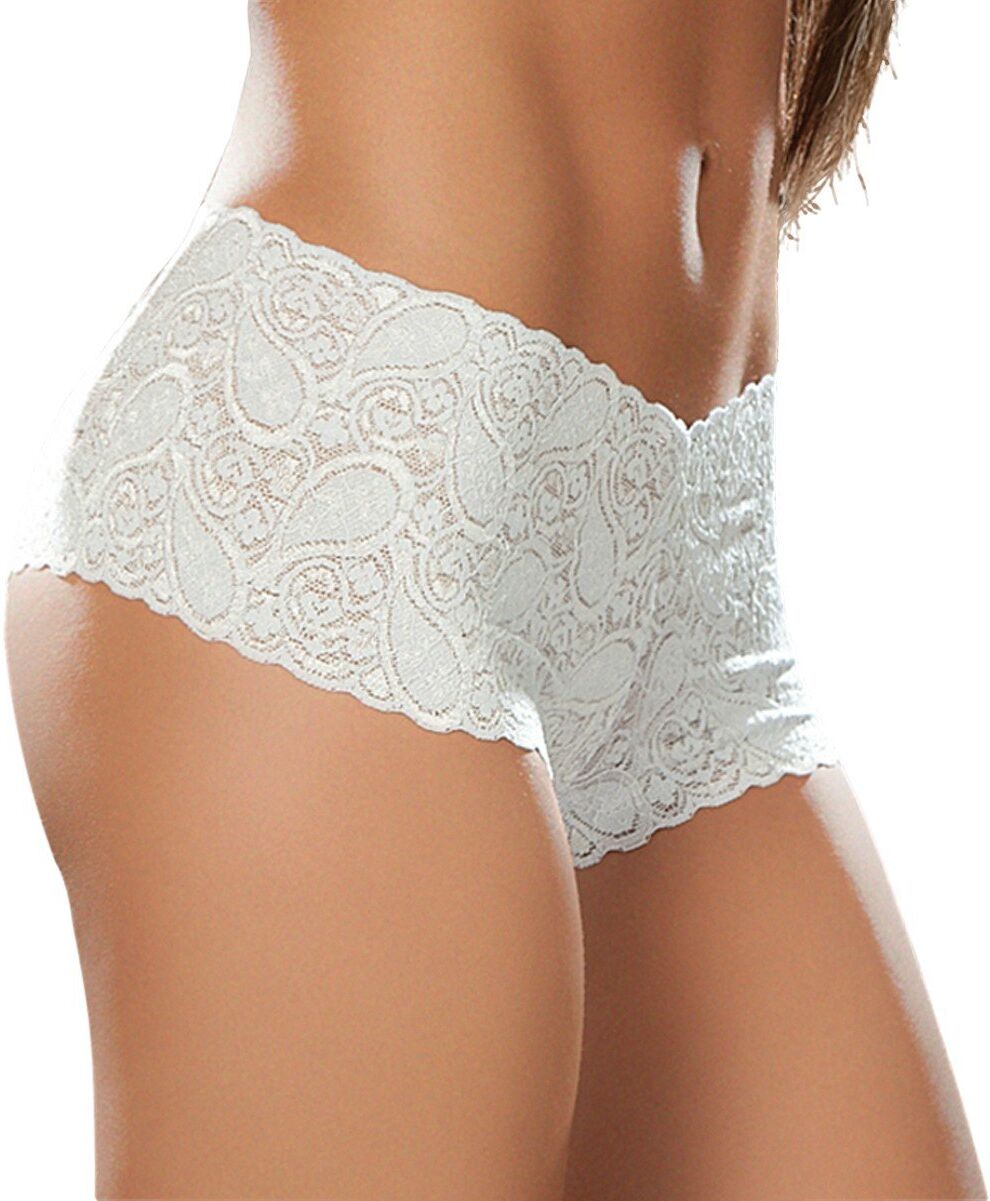
Mapalé Lace bodyshort white 90La dentelle blanche capte la lumière et épouse la peau avec douceur. On aime ce petit frisson de légèreté. Le Lace bodyshort white 90 de Mapalé joue sur la transparence et le confort, dans un équilibre subtil entre sensualité et bien-être.Un shorty de dentelle tout en délicatesse 💫Ce bodyshort10,49 €*Shipping: 3,90 €Secure redirect to the provider
-
Bohemia Gifts Beer ensemble corps et cheveux pour hommeBohemia Gifts Beer, , Kits corps pour hommes pour homme, Faites-vous plaisir ainsi qu’à vos proches en achetant un coffret cosmétique de grande qualité. L'ensemble contient: gel de douche 250 ml shampoing 250 ml savon fait à la main à la glycérine 70 g décorations Le produit : assortiment de produits cosmétiques pour un usage quotidien constitue le cadeau idéal emballage cadeau Mode d’emploi : Utilisez chaque produit contenu dans le coffret cosmétique en respectant les instructions fournies dans le mode d’emploi.11,20 €*Shipping: 3,45 €Secure redirect to the provider
-
What is the difference between "wem" and "wen"?
"Wem" and "wen" are both pronouns used in the German language to indicate the indirect object of a sentence. The main difference between the two is that "wem" is used in the dative case, while "wen" is used in the accusative case. In other words, "wem" is used when the indirect object is the recipient of the action, while "wen" is used when the indirect object is the target of the action. For example, "Ich gebe dem Mann das Buch" (I give the book to the man) uses "dem Mann" (dative) with "wem," while "Ich sehe den Mann" (I see the man) uses "den Mann" (accusative) with "wen." **
-
Why are "wen" and "wem" used in these sentences?
"Wen" and "wem" are used in these sentences because they are the accusative and dative forms of the pronoun "we" in German. The accusative form "wen" is used when "we" is the direct object of the sentence, while the dative form "wem" is used when "we" is the indirect object. These forms indicate the different roles that "we" plays in the sentences, helping to clarify the relationships between the subjects and objects in the sentence. **
-
What does "Mit wem habe ich die Ehre?" mean?
"Mit wem habe ich die Ehre?" is a polite way of asking "Who do I have the honor of speaking to?" in German. It is often used when meeting someone for the first time or in a formal setting to inquire about the identity of the person you are addressing. This phrase is a respectful way of showing interest in the other person and acknowledging their presence. **
-
What is the difference between wen, wem, den, and dem?
In German, "wen" and "den" are used as accusative forms of "wer" and "der" respectively, while "wem" and "dem" are used as dative forms. "Wen" and "wem" are used when the pronoun is the direct or indirect object of the sentence, while "den" and "dem" are used when the pronoun is the direct or indirect object of a masculine noun. The choice between "wen" and "den" depends on the gender of the noun being referred to, while the choice between "wem" and "dem" depends on whether the pronoun is the direct or indirect object. **
* All prices are inclusive of VAT and, if applicable, plus shipping costs. The offer information is based on the details provided by the respective shop and is updated through automated processes. Real-time updates do not occur, so deviations can occur in individual cases. ** Note: Parts of this content were created by AI.